
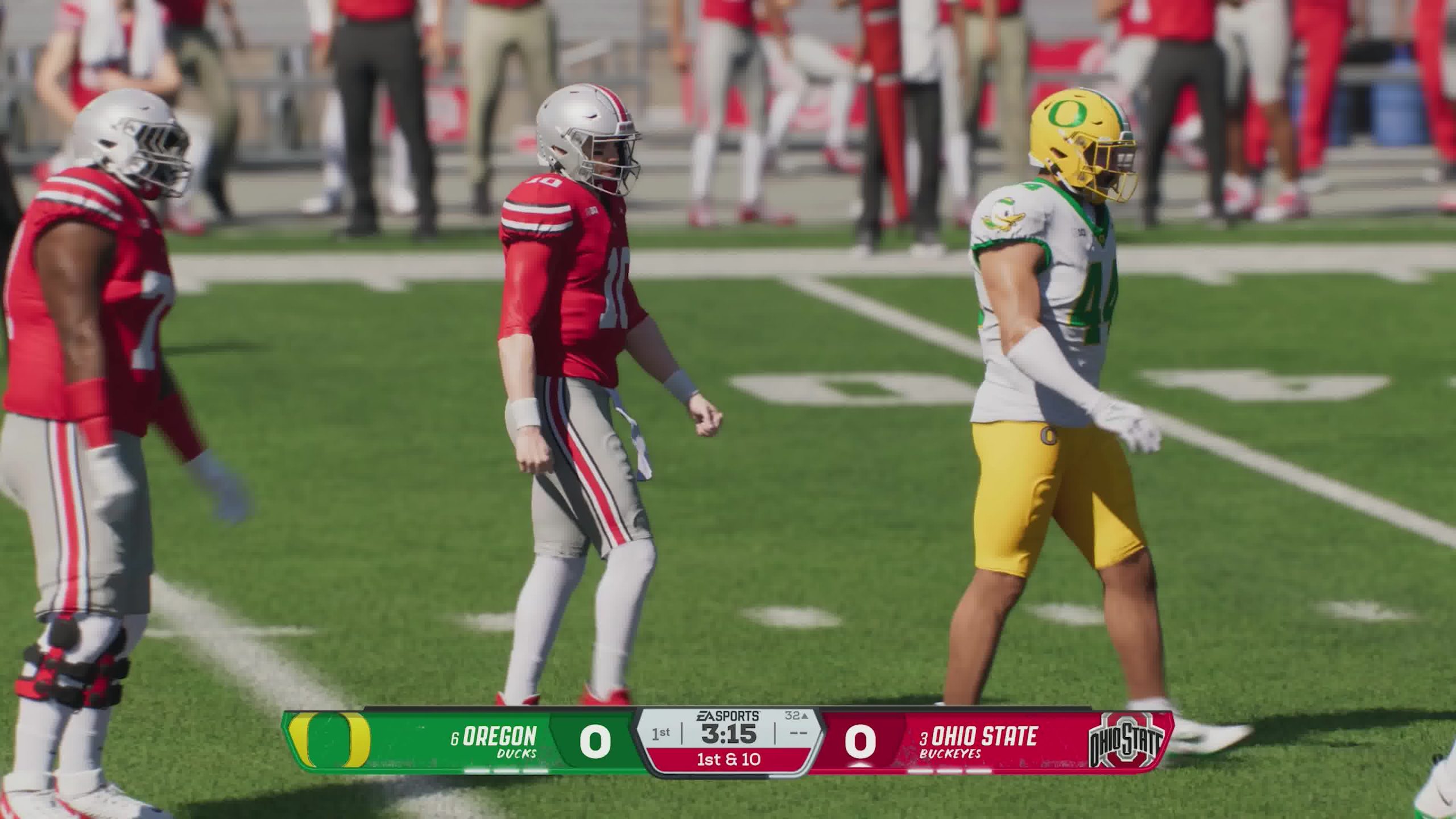
In College Football 27 Ultimate Team (CUT 27), coins remain the backbone of team building. Every competitive roster—whether free-to-play or heavily invested—depends on efficient CFB 27 coins generation to keep up with the constantly evolving content cycle, new player programs, and upgrade systems.
With the introduction of the new Upgrade System, Skill Points economy, and EVOS mechanics, coin value and spending efficiency matter more than ever. Understanding how to generate coins consistently will determine how fast you can build a high-tier lineup and stay competitive throughout the season.
Below is a structured breakdown of the most effective ways to make coins in CUT 27.
1. Solo Challenges (Fast Early-Game Coin Foundation)
Solo challenges are still the most reliable starting point for new accounts.
In CUT 27, many programs are tied directly to objectives on items, meaning solo play doesn’t just give coins—it also feeds progression systems like Skill Points and EVOs.
Why solos matter:
- Guaranteed coin rewards (no RNG dependency)
- Unlock packs and upgrade materials
- Progress field passes simultaneously
- Easy early-team building without spending coins
Best approach:
Prioritize:
- Launch content solos
- Legends/Core Legends challenges
- Program-specific objective chains
The goal is simple: convert time into stable coin baseline + pack value, then move into higher-efficiency methods.
2. Auction House Flipping (Core High-Level Strategy)
Once you have a starter coin stack, the Auction House becomes your most powerful tool.
The core principle:
Buy undervalued cards → resell at market price → profit from inefficiencies.
Key flipping strategies:
- Promo timing flips: Buy cards during content drops when supply spikes, sell after stabilization
- Low-to-mid tier flips: 80–88 OVR cards tend to move fastest early cycle
- Meta demand flips: Cards tied to popular archetypes or EVOS paths increase in value
- Set piece flipping: Items required for sets often spike in price before expiration deadlines
Critical rule:
Always account for the auction tax, which reduces profit margins on every sale.
Auction house flipping is not instant income—it’s a market discipline loop, but it scales faster than any PvE method.
3. Head-to-Head (H2H) Modes for Reward Scaling
Competitive online play is one of the most consistent coin sources in CUT 27.
Why H2H matters:
- Win-based coin payouts
- Seasonal rewards
- Packs from ranking progression
- Higher-tier matchmaking rewards in Champs/Ranked modes
Efficient strategy:
- Play during skill-balanced matchmaking windows
- Focus on consistent playoff qualification rather than streak-based grinding
- Use a stable meta lineup rather than experimental squads
In CUT 27, competitive modes also indirectly boost coin value because they feed pack rewards and tradeable items into your binder.
4. Solo Seasons / Gauntlet Cycles (Mid-Grind Income Engine)
Solo season-style modes remain one of the best “grindable loops.”
What makes them strong:
- Repeatable coin rewards per season cycle
- Bonus packs at milestone completion
- Predictable ROI (no RNG dependency like packs)
Players often combine:
- Multiple seasons per session
- Auctioning pulled high-value items
- Converting duplicates into sets or resale value
This method is especially effective when you are building from low coin to mid-tier coin range (10k–250k).
5. Sets & Trade-Up Systems (Hidden Value Generator)
CUT 27 expands set conversion mechanics significantly, allowing more ways to transform low-value items into higher-tier assets.
Coin-making logic:
- Buy low-rated cards during market dips
- Complete sets for higher OVR returns
- Sell resulting high-tier items at peak demand windows
With new systems allowing even skill point conversions inside player progression, set-based optimization becomes more dynamic and timing-sensitive.
6. Event Programs & Field Pass Rewards
Live content cycles are now a major coin pipeline.
CUT 27 introduces:
- Multiple program-specific field passes
- More frequent reward tracks
- Parallel progression systems
What to focus on:
- Weekly programs (Stars of the Week equivalents)
- Limited-time launch events
- Core Legends and Legends drops
- “Reactive content” tied to real-world performance
These systems provide:
- Coins
- Tradeable packs
- High-value player items
The key advantage is that they reward normal gameplay instead of separate grinding loops.
7. EVOS & Player Investment Strategy (Advanced Coin Growth)
EVOS fundamentally change coin strategy in CUT 27.
Instead of constantly replacing players, you can:
- Upgrade existing cards
- Extend player value lifespan
- Increase OVR caps over time
- Unlock new archetype paths
Coin impact:
- Reduces unnecessary re-buying of cards
- Increases long-term ROI on key players
- Creates “investment cards” that appreciate with upgrades
Smart players treat EVOS as a portfolio system, not just upgrades.
8. What NOT to Do (Coin Efficiency Mistakes)
Avoid these common coin traps:
- ❌ Spending coins early on packs (negative expected value long-term)
- ❌ Holding outdated cards too long after meta shifts
- ❌ Ignoring auction tax when calculating profit
- ❌ Over-investing in non-meta archetypes early cycle
Final Strategy Overview
The most effective coin-making loop in College Football 27 Ultimate Team is:
Solo Challenges → Auction House Entry → H2H Scaling → Market Flipping → Event Optimization → EVOS Investment
Players who combine gameplay rewards + market awareness + timing discipline will consistently outpace those relying on single methods.
In CUT 27, coins are no longer just earned—they are actively engineered through systems interaction between gameplay, progression, and the evolving economy.
Visit our College Football 27 Coins Store to buy CUT 27 Coins at affordable prices with fast and secure delivery. We’re committed to helping you enjoy the best possible College Football 27 gaming experience.